Design and Implementation of Ultraviolet Light Control on Corn Fodder Using Fuzzy Logic Method
Lighting Control Design, Mamdani Fuzzy Logic, Corn Fodder
DOI:
https://doi.org/10.36526/jeee.v4i2.7835Abstract
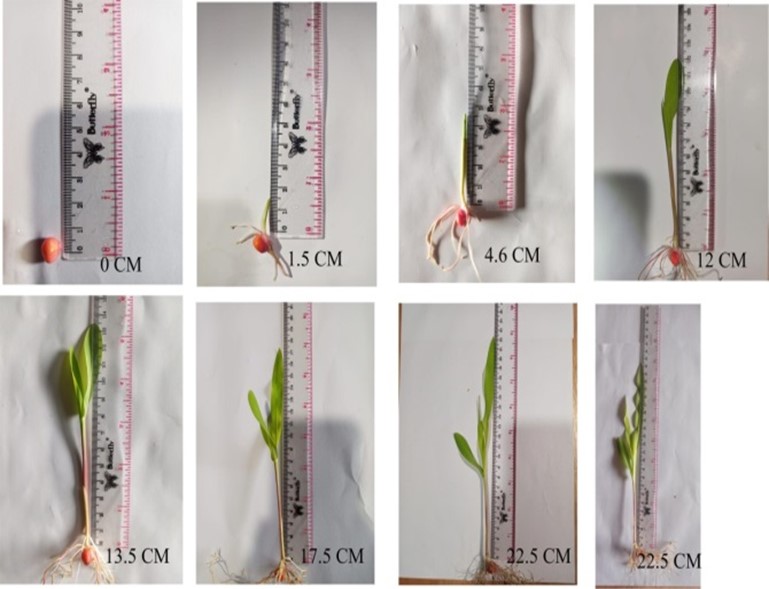
This paper discusses the design and implementation of ultraviolet light control in corn fodder. The problem with corn fodder is that temperature and humidity and inappropriate lighting can trigger the growth of mold. The ultraviolet light illumination control system method uses a fuzzy logic method to control ultraviolet light illumination. So it affects temperature and humidity, as well as growth of corn fodder. The results of the comparison of the Mamdani fuzzy control system using Matlab and Arduino applications to control corn fodder illumination obtained defuzification values (0.5, 2.5, 6.5). The implementation of the Mamdani fuzzy logic control system affects the light, temperature and humidity, as well as the height and weight of the corn fodder with a definition error of 0.5%. Lighting 5 hours/day on a full spectrum grow light (380nm-730nm) with a light intensity of 2053lux, for 14 days produces a temperature of 27˚C and humidity of 93%, fodder height reaches 28cm with a total weight of 124 grams. Meanwhile, the grow light spectrum (450nm-460nm) with a light intensity of 1462.5 lux produces a temperature of 28˚C and humidity of 85%, the height of the fodder reaches 26.5cm with a total weight of 120 grams. Optimum lighting results were obtained in 5 hours of light with a full spectrum grow light lamp with a light intensity of 2053lux, for 14 days resulting in a temperature of 27˚C and humidity of 93%, the height of the fodder reached 28cm with a total weight of 124 grams.
References
[1] V. V Rumawas, H. Nayoan, and N. Kumayas, “Peran Pemerintah Dalam Mewujudkan Ketahanan Pangan di Kabupaten Minahasa Selatan (Studi Dinas Ketahanan Pangan Minahasa Selatan),” Governance, vol. 1, no. 1, pp. 1–12, 2021.
[2] jatim.bps.go.id, “Luas Panen, Produktivitas, dan Produksi Padi Menurut Kabupaten/Kota di Provinsi Jawa Timur, 2021 dan 2022,” jatim.bps.go.id. Accessed: Apr. 24, 2025. [Online]. Available: https://jatim.bps.go.id/id/statistics-table/1/MjUyMSMx/luas-panen--produktivitas--dan-produksi-padi--menurut-kabupaten-kota-di-provinsi-jawa-timur--2021-dan-2022.html
[3] Redaksi, “Mengenal Fodder Jagung Pakan Telur Ayam Bahagia,” telurayambahagia.com.
[4] A. Heriyanti, M. H. Septian, and D. Suhendra, “Perbedaan Umur Panen Terhadap Kandungan Protein Kasar dan Lemak Kasar Fodder Jagung dengan Sistem Hidroponik,” ilmu peternakan, vol. 7, no. 2, pp. 82–90, 2023.
[5] N. C. Widodo, A. Aziz, Z. A. Munawaroh, and H. Anzhari, “Tinjauan Analisis Manfaat dan Dampak Sinar UV-C dalam Bidang Pangan dan Pertanian,” teknik elektro dan informatika, vol. 2, no. 6, pp. 43–50, 2024.
[6] B. Reddy and M. Harani, “Hydroponics: A sustainable way of Green fodder production,” IEE International, vol. 73, no. 02, pp. 2–5, 2023.
[7] A. S. Ningrum, “Analisis Penggunaan Sinar Ultraviolet (UV) Pada Tanaman Hidroponik,” Ilmiah wahana pendidikan, vol. 10, no. 23, pp. 1274–1279, 2024.
[8] S. Aulia, A. Ansar, and G. M. D. Putra, “Pengaruh Intensitas Cahaya Lampu Dan Lama Penyinaran Terhadap Pertumbuhan Tanaman Kangkung (Ipomea Reptans Poir) Pada Sistem Hidroponik Indoor,” Jurnal Ilmiah Rekayasa Pertanian dan Biosistem, vol. 7, no. 1, pp. 43–51, 2019, doi: 10.29303/jrpb.v7i1.100.
[9] S. Aulia, A. Ansar, and G. M. D. Putra, “Pengaruh Intensitas Cahaya Lampu Dan Lama Penyinaran Terhadap Pertumbuhan Tanaman KANGKUNG (Ipomea reptans Poir) PADA SISTEM HIDROPONIK INDOOR,” Jurnal Ilmiah Rekayasa Pertanian dan Biosistem, vol. 7, no. 1, pp. 43–51, 2019, doi: 10.29303/jrpb.v7i1.100.
[10] N. Hamidi, Sugiarto, I. Wijatmiko, F. Usman, and T. Utomo, “Implementasi Teknologi Green Fodder Sebagai Sumber Pakan Hijauan Yang Berkelanjutan Di Desa Arjosari, Kecamatan Kalipare, Kab. Malang,” teknik mengabdi, vol. 3, no. 1, pp. 54–60, 2024.
[11] A. Prasetyo, R. Ramadani, M. Y. R, and R. M. Yasi, “Implementasi Sistem Hidroponik Cerdas Pakan Ternak Jagung Menggunakan Esp32,” Transmisi: Jurnal Ilmiah Teknik Elektro, vol. 25, no. 1, pp. 25–31, 2023, doi: 10.14710/transmisi.25.1.25-31.
[12] Bimo Pradipto Asmorojati, Naufal Akmal Oesman, Rania Aisyka Rabihatul Hayah, Nadea Salsabilla, Muhamad Mirza Alfarisi, “Penerapan Nilai-Nilai Penalaran Silogisme Dalam Case Fuzzy Logics,” cakrawala ilmiah, vol. 3, no. 11, pp. 37–48, 2024.
[13] Putra and F. S. Wirandha, “Pembuatan Peta Lokasi Alternatif Peternakan Ayam Broiler Kabupaten Muara Enim Dengan Menggunakan Logika Fuzzy,” ilmiah teknik dan sains, vol. 2, no. 1, pp. 14–19, 2024.
[14] M. M. Fajar, “Pengembangan Greenhouse Fodder Jagung Hidroponik Menggunakan Kontrol Logika Fuzzy (KLF) Sebagai Pengendali Suhu dan Kelembaban Terintegrasi dengan Sistem Internet Of Things,” 2020
[18] Destra Amni, “Penerapan Metode Fuzzy Mamdani Pada Pemilihan Bidang Pekerjaan Sesuai Kompetensi,” Jurnal SIMTIKA, vol. 6, no. 2, 2023.
[19] I. Gurawal, R. Rawendra, A. Warnaen, and A. K. Jaliyah, “Pertumbuhan dan Kandungan Nutrien Fodder Jagung (Zea mays) dengan Penyiraman Biourine Sapi,” Jurnal Peternakan Indonesia (Indonesian Journal of Animal Science), vol. 24, no. 1, pp. 21–27, 2022, doi: 10.25077/jpi.24.1.21-27.2022.
Downloads
Published
Issue
Section
License
Copyright (c) 2026 susilo, Adi Mulyadi, Ratna Mustika Yasi

This work is licensed under a Creative Commons Attribution-ShareAlike 4.0 International License.

This work is licensed under a Creative Commons Attribution-ShareAlike 4.0 International License.